Professional Roof Inspection in Cocoa Beach, FL: Coastal vs. Inland Standards
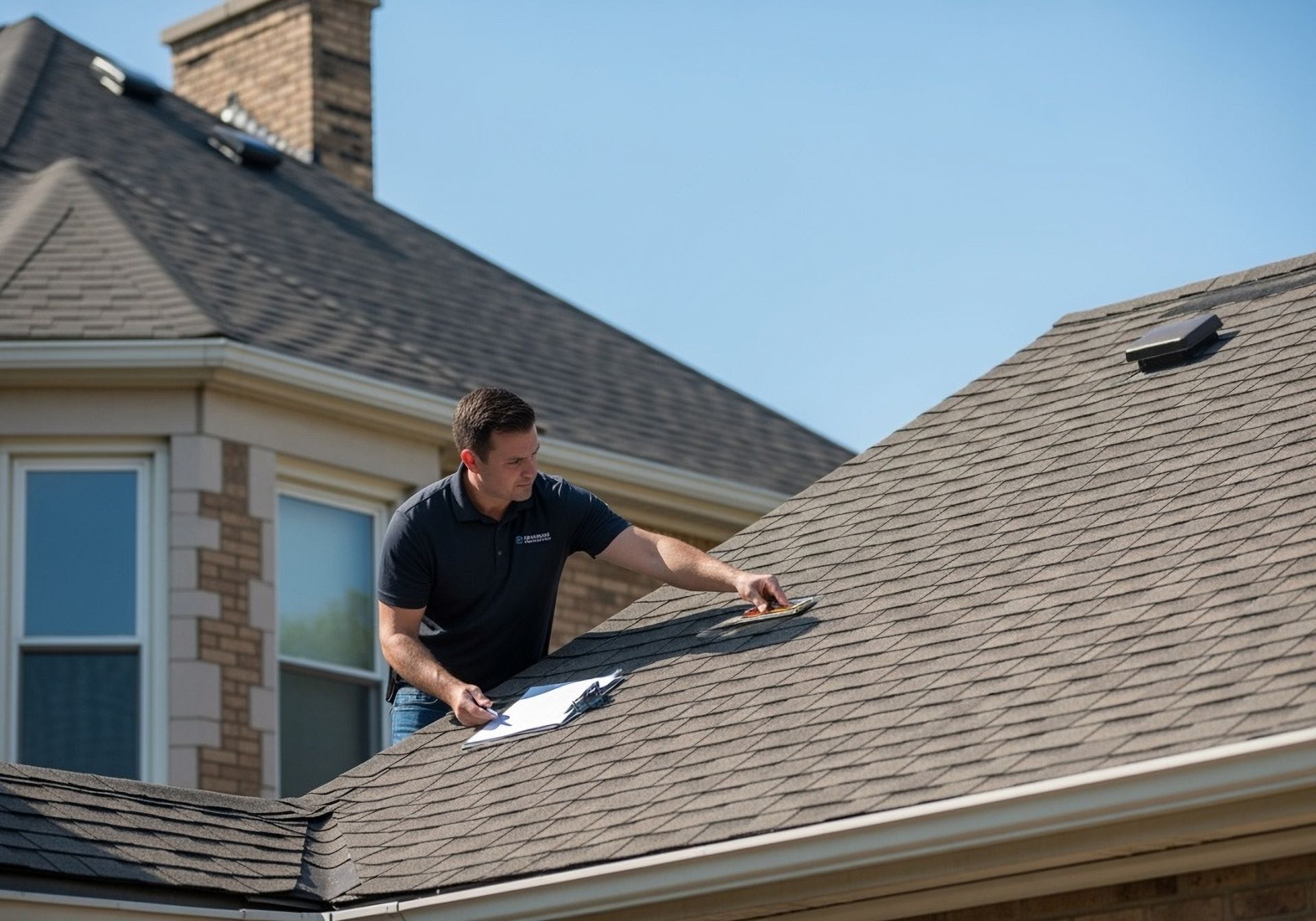
For homeowners in Cocoa Beach, FL, a roof inspection is not a routine formality but a critical defense against one of the most aggressive environments in the country. Living on a barrier island means your home is subjected to constant salt spray, intense Atlantic wind loads, and nearly 100% humidity. When comparing a coastal inspection to one performed just a few miles inland, the stakes and the specific points of failure shift dramatically. In this guide, we will compare the unique requirements of a Cocoa Beach roof evaluation against standard inland inspections, helping you understand the value of a specialized coastal assessment.
Coastal vs. Inland: The Diagnostic Comparison
The primary difference between a Cocoa Beach inspection and an inland one lies in the "salt air factor." In Cocoa Beach, an inspector must look for chemical as well as physical degradation.
Salt Corrosion vs. Standard Wear
Inland roofs typically fail due to age or UV exposure. In Cocoa Beach, salt crystallization can occur within the pores of concrete tiles or beneath the laps of metal panels. An inspector must specifically check metal flashing and fasteners for "pitting" or orange oxidation. Salt air can accelerate the corrosion of standard steel fasteners by up to 500% compared to inland environments, potentially causing a roof to fail structurally even if the shingles look intact from the ground.
Wind Uplift and "Micro-Fissures"
While all Florida roofs face wind, Cocoa Beach homes are in a High Velocity Hurricane Zone. An inspection here places much higher priority on the "seal" of the shingles. Even if no shingles are missing, an inspector will check for "tab uplift," where wind has broken the adhesive bond. This is less common inland but a frequent discovery on the coast, where sustained sea breezes put constant pressure on the roof's perimeter.
Common Signs of Coastal Roof Distress
Identifying issues in Cocoa Beach requires a trained eye for subtle environmental clues. Beyond the obvious leaks, homeowners should watch for "white rust" on metal components, which is a precursor to deep corrosion. Another sign unique to the coast is "hygroscopic moisture retention," where salt deposits on the roof actually pull moisture out of the air, keeping the roof damp long after the rain has stopped. This leads to accelerated algae and moss growth, which can be seen as dark streaks or green patches on the north-facing slopes of Cocoa Beach homes. If you are noticing these signs, scheduling a professional roofing in Cocoa Beach consultation is the best way to determine if your secondary water barriers are still holding.
Cost Considerations: Coastal vs. National Averages
When comparing costs, Cocoa Beach inspections may carry a slight premium compared to national averages due to the specialized equipment and depth required. While a basic physical inspection might range from $75 to $200 inland, coastal inspections often involve more detailed attic evaluations to check for "hidden" salt-induced rot in the rafters. Furthermore, because many Cocoa Beach homes are multi-story or have steep pitches to shed tropical rain, drone inspections ranging from $150 to $400 are frequently used to safely capture high-definition imagery of salt-exposed peaks and valleys.
The Impact of the Florida Building Code
In Cocoa Beach, the diagnostic results of an inspection are heavily influenced by the Florida Building Code and the "25% Rule." If an inspection reveals that more than 25% of a roof section is damaged by salt or wind, the code often mandates a full replacement rather than a patch. This is a stricter standard than you might find in other states, but it ensures that coastal homes are consistently upgraded to the latest hurricane-resistant technology. You can learn more about how we navigate these requirements on our residential roofing page.
Why a Professional Attic Inspection is Mandatory
In a coastal environment, the most dangerous damage happens where you cannot see it. A standard "walk-over" inspection is insufficient for Cocoa Beach. A professional must enter the attic to check the "roof-to-wall" connections. In coastal Brevard County, these metal straps are the only things keeping your roof attached during a tropical storm. If salt air has migrated into the attic space and corroded these connections, the roof is technically unsafe regardless of how new the shingles appear. This interior comparison is often where coastal inspections differ most from the more exterior-focused inland audits.
When to Schedule Your Comparison Inspection
If your roof has not been evaluated since the last major storm season, or if it is approaching the ten-year mark, a specialized coastal inspection is a wise investment. The goal is to catch salt-related corrosion before it compromises the structural deck. Early detection allows for targeted repairs of flashing and sealants, potentially extending the life of your roof by several years and preventing the need for a premature, expensive replacement.
Authority and Local Expertise with JT Roofing
At JT Roofing, we have spent decades protecting homes along the Space Coast. We understand that a Cocoa Beach roof is an entirely different system than one found in the interior of the state. Our inspection process is designed to identify the specific salt, wind, and humidity markers that define coastal roof health. We provide our neighbors with honest, data-driven assessments that prioritize safety and long-term value, ensuring your home remains a fortress against the Atlantic elements.
Protect Your Coastal Investment
Do not settle for a generic inspection that misses the nuances of beachside living. Whether you are preparing for hurricane season or simply want to verify the integrity of your home, our team provides the localized expertise you need. We invite you to contact us today to schedule a comprehensive roof inspection and discover the peace of mind that comes with a professionally evaluated home.
Quick Answers for Cocoa Beach Homeowners
How often do Cocoa Beach roofs need an inspection?
Due to the intense salt air and humidity, we recommend a professional inspection once a year. Coastal roofs age 30 to 50% faster than inland roofs, so catching small areas of corrosion early can prevent a total system failure.
Does salt air really damage my roof?
Yes. Salt is hygroscopic, meaning it attracts moisture and holds it against your roof. This accelerates the rusting of fasteners and flashing. In asphalt shingles, salt crystals can actually physically abrade the protective granules, leading to faster UV degradation.
Is a drone inspection better for coastal homes?
Drones are excellent for Cocoa Beach homes because they can get close-up views of high-up areas that are difficult to access safely. They provide high-resolution proof of salt pitting and wind uplift that might be missed from a ladder or the ground.
Will an inspection help with my insurance?
Absolutely. In Florida, a professional "Wind Mitigation" inspection is often required to secure discounts on your homeowners insurance. This inspection verifies that your roof is properly attached and has the secondary water barriers required for coastal zones.
What is the "25% Rule" in Cocoa Beach?
This Florida Building Code rule states that if more than 25% of a roof is damaged or repaired within a year, the entire roof must be brought up to current code. This often results in a full replacement to ensure the home meets modern hurricane safety standards.
Why is my attic ventilation so important?
In our high humidity, poor ventilation traps moist air against the underside of your roof deck. This can cause the wood to rot from the inside out, a problem that is often only discovered during a professional interior attic inspection.
Recent Posts